

Design and Technology 21st May 2025
Here at Sharow, design and technology is a vital part of our flourishing teaching and learning. We follow the Kapow Primary scheme, which provides an exciting and structured approach to Design and Technology. Through Kapow, pupils develop essential skills in designing, making, and evaluating their own creations.
Our lessons are packed with hands-on experiences that encourage creativity and problem-solving. Children explore real-life contexts, plan their ideas carefully, and bring them to life using a range of tools and materials. After making their products, they reflect and evaluate their work, thinking about what went well and how they could improve.
From building models to experimenting with mechanisms, every project helps pupils understand the design process and gain confidence in practical skills. We aim to inspire future designers, engineers, and innovators by making learning fun, purposeful, and engaging.
What Our Pupils Say About DT:
“DT is fun. We can work together or on our own.”
“ DT is one of their favourite subjects.”
“It’s about designing, building, teamwork and making things. We need it for our future – especially if I want to be an engineer!”
“DT helps us develop skills, solve real-life problems, and make improvements.”
“It doesn’t have to look good to work properly.”
“We love the practical and creative elements of DT, especially designing and making. Evaluating is harder.”
“Evaluating can be frustrating as things do not always work as well as we hoped. The Feedback in books is useful and helps us improve our evaluations.”
“You have to be careful when working with tools and food.”
“Make a bridge with your hand when using a knife.”
“Wear gloves when using a peeler in forest school.”
“Use tools as they are intended.”
“We look forward to our DT lessons.”
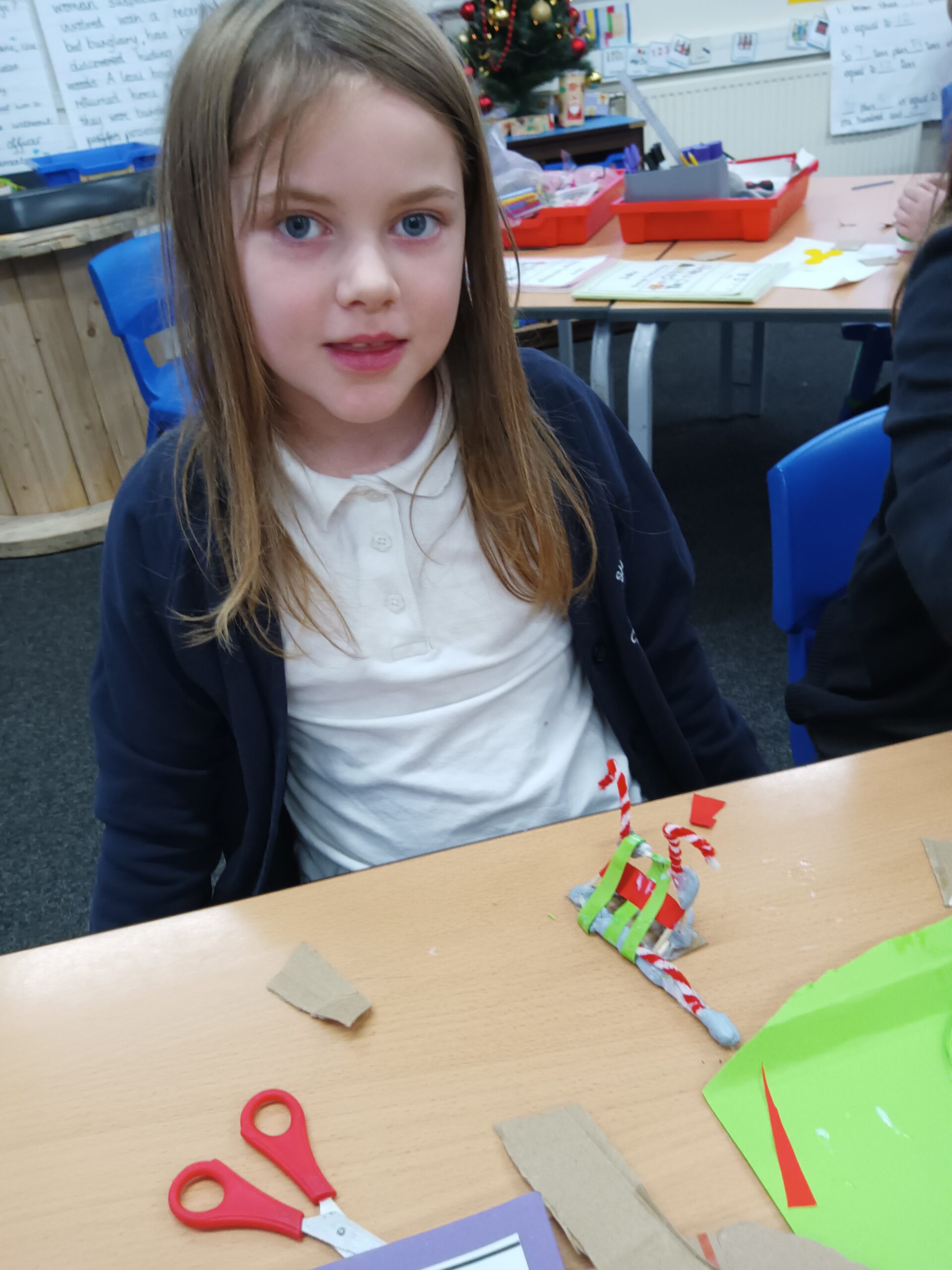
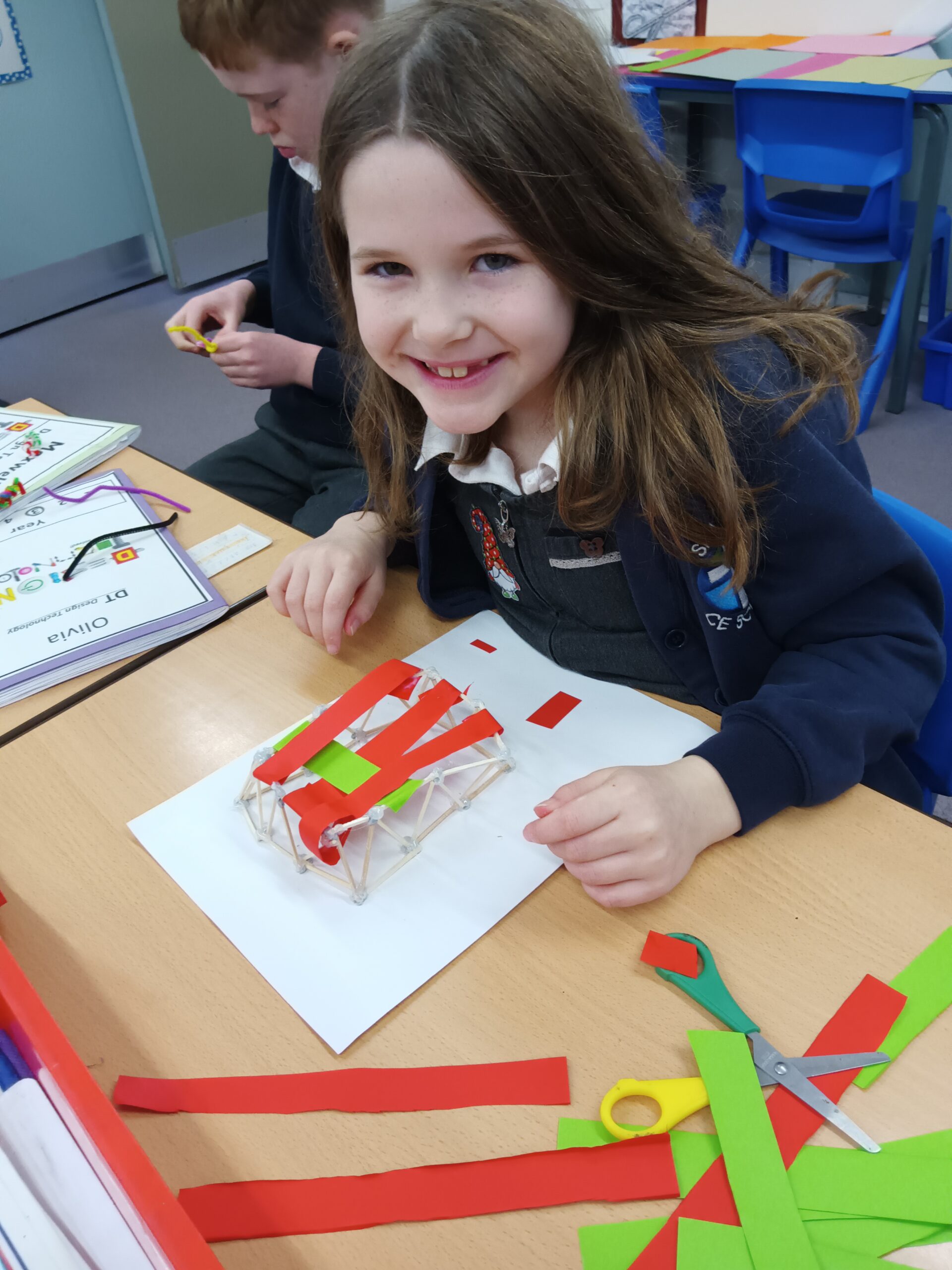
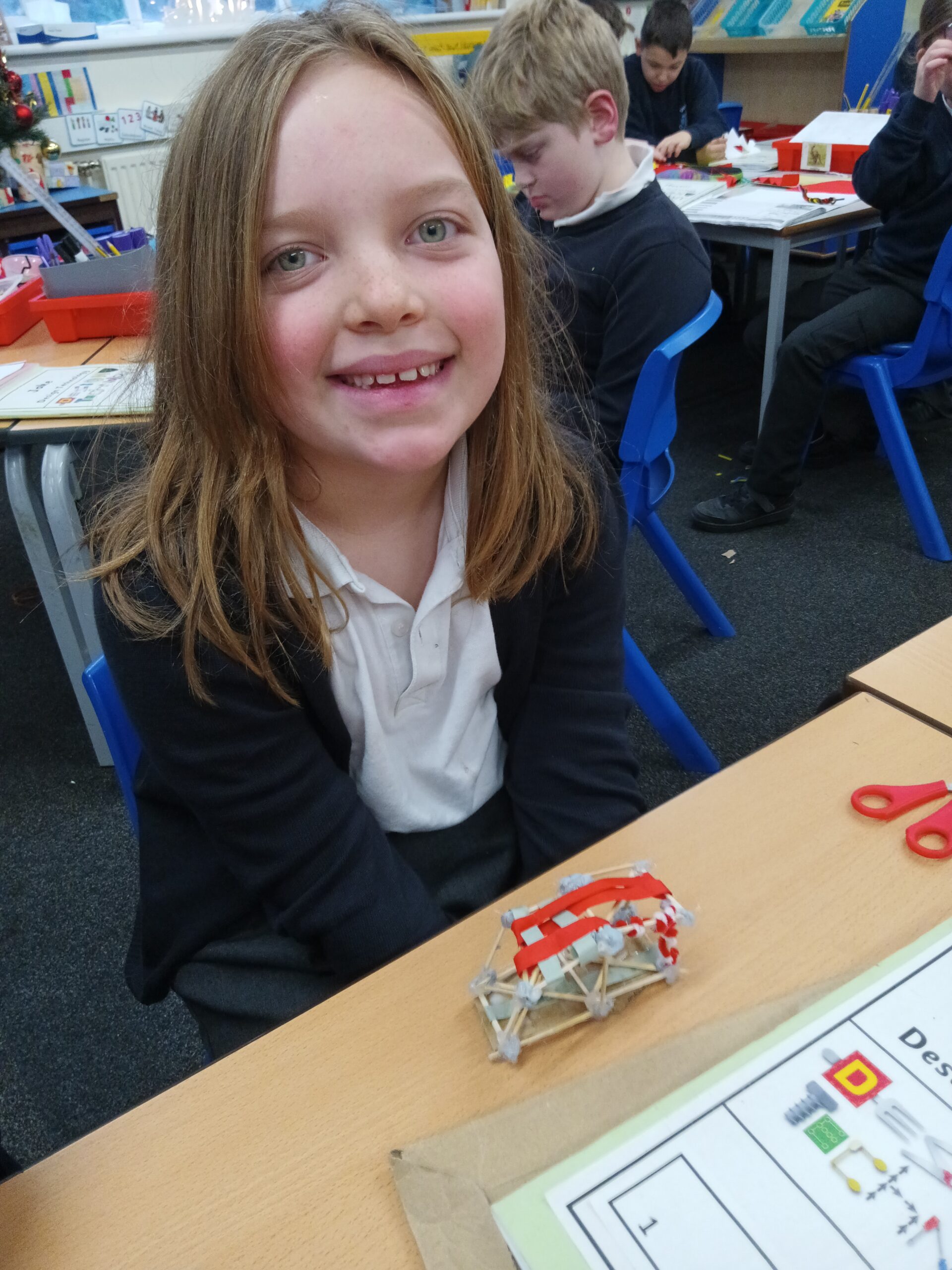
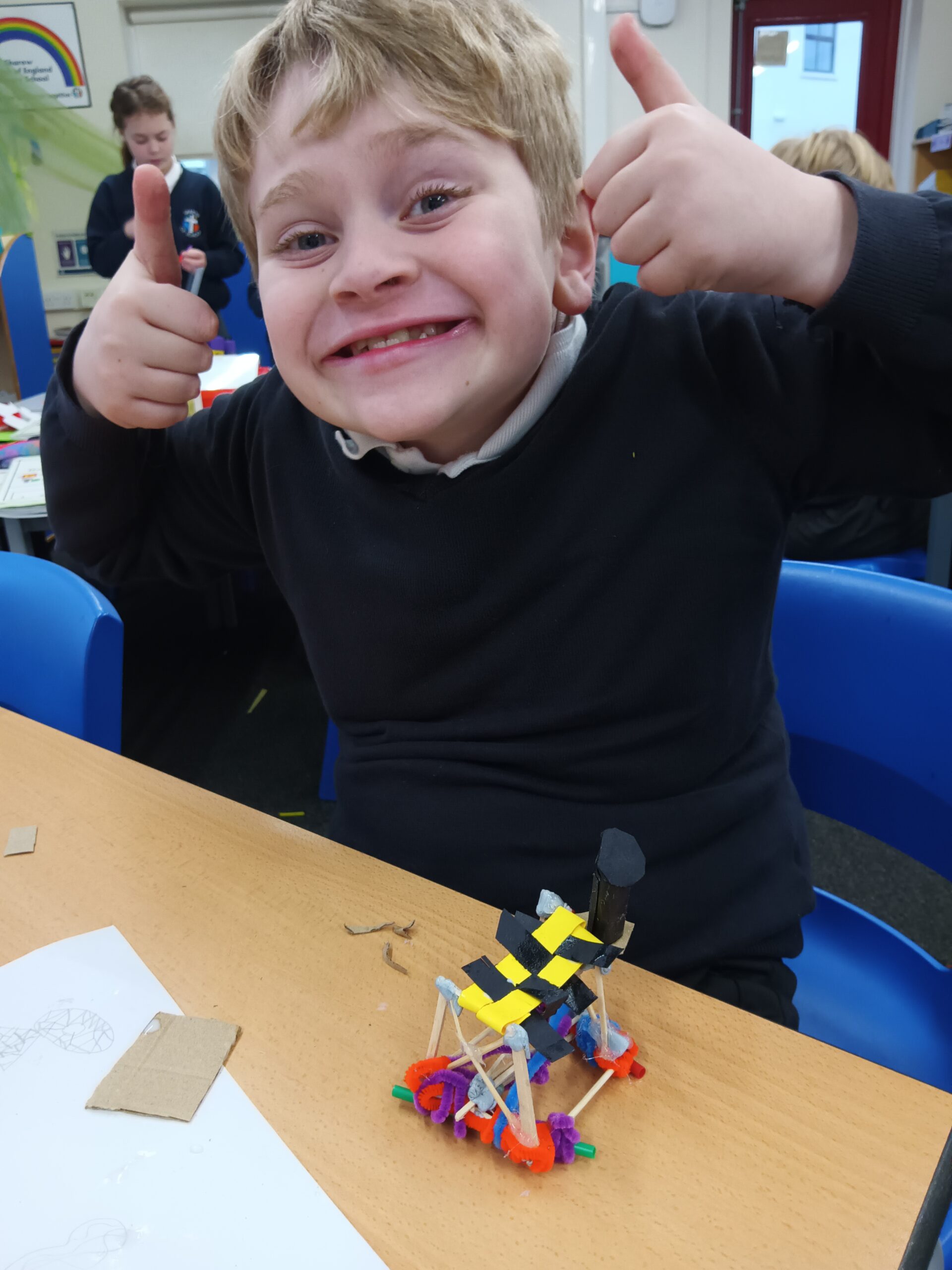
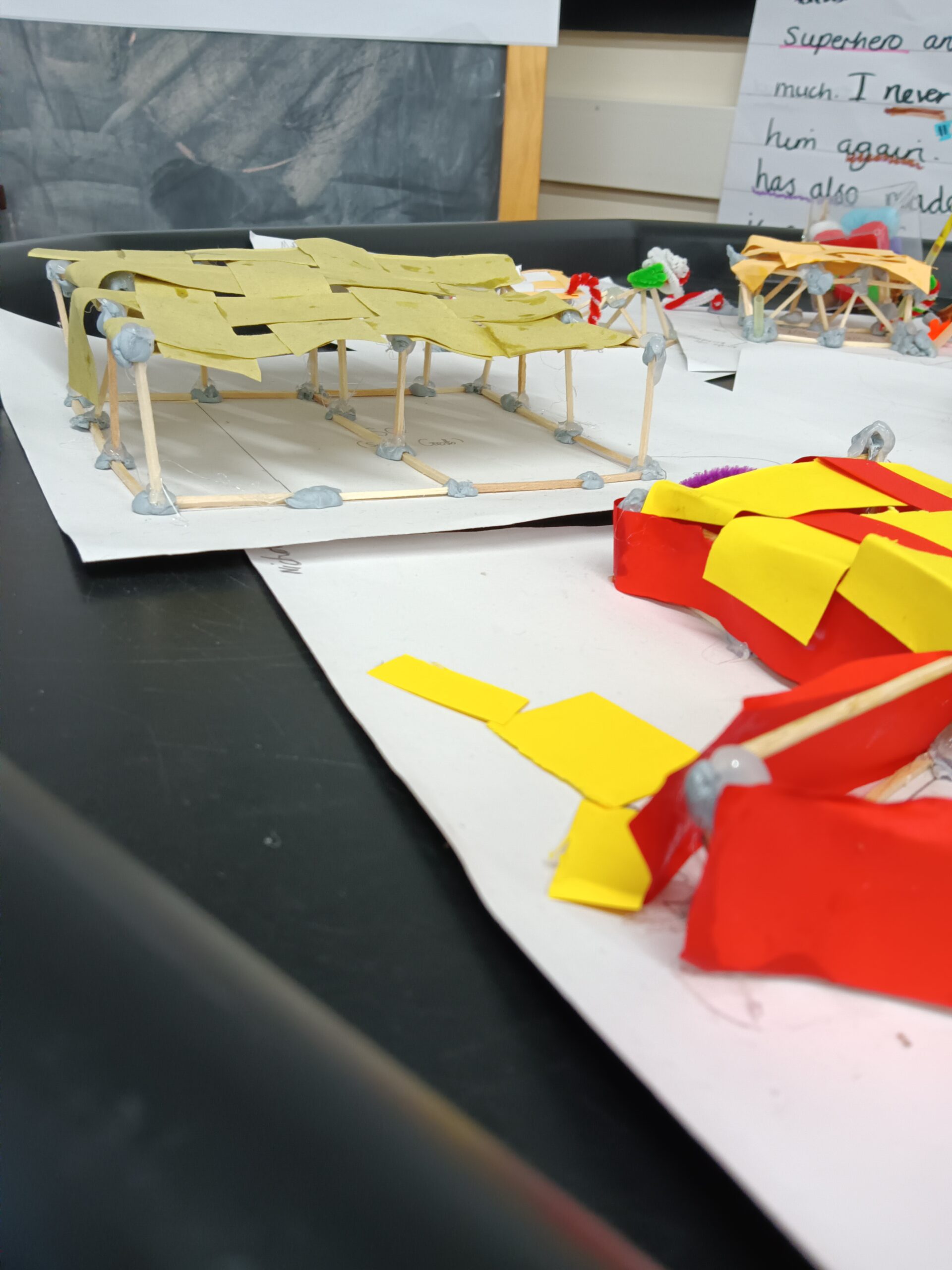
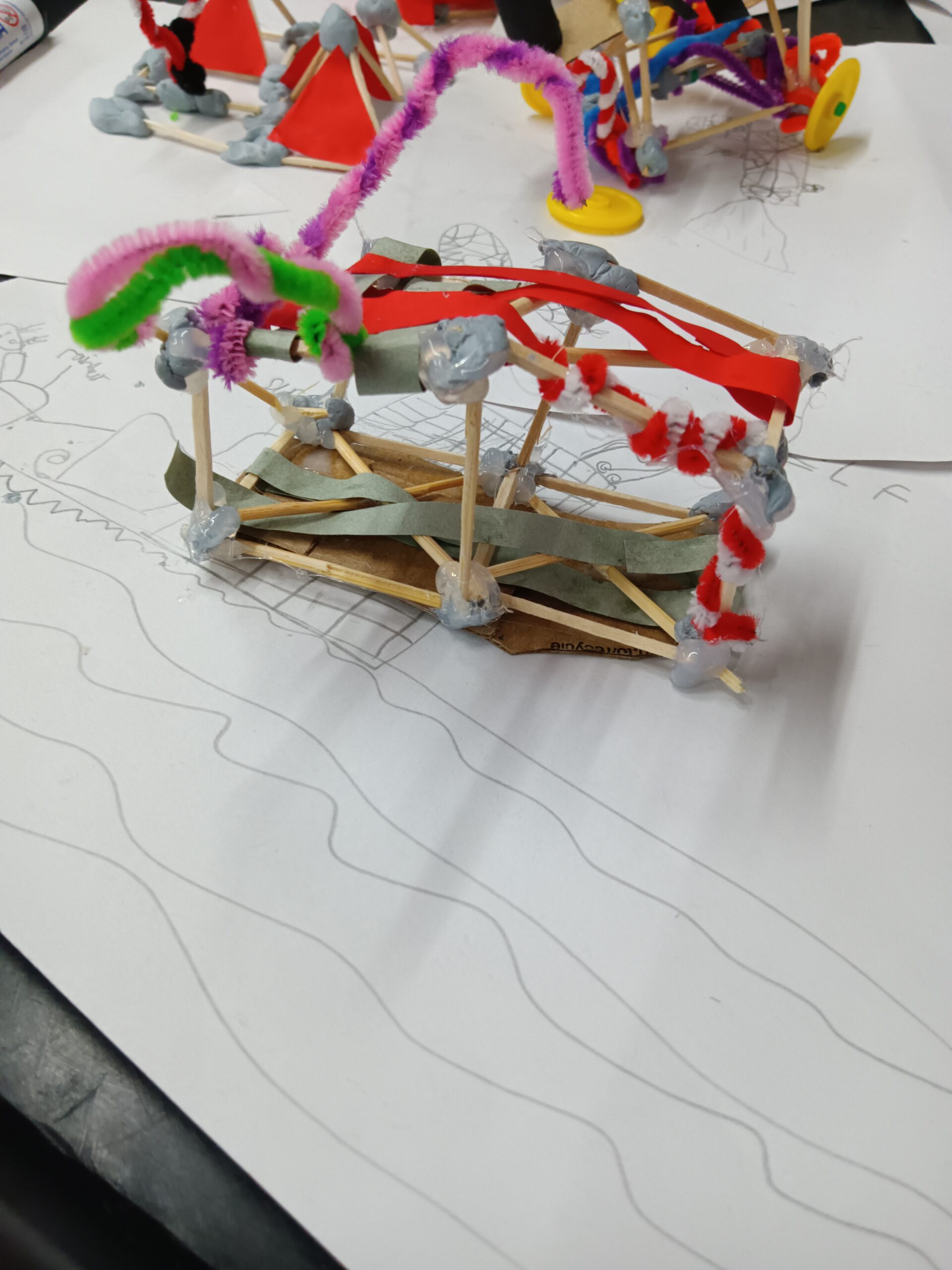
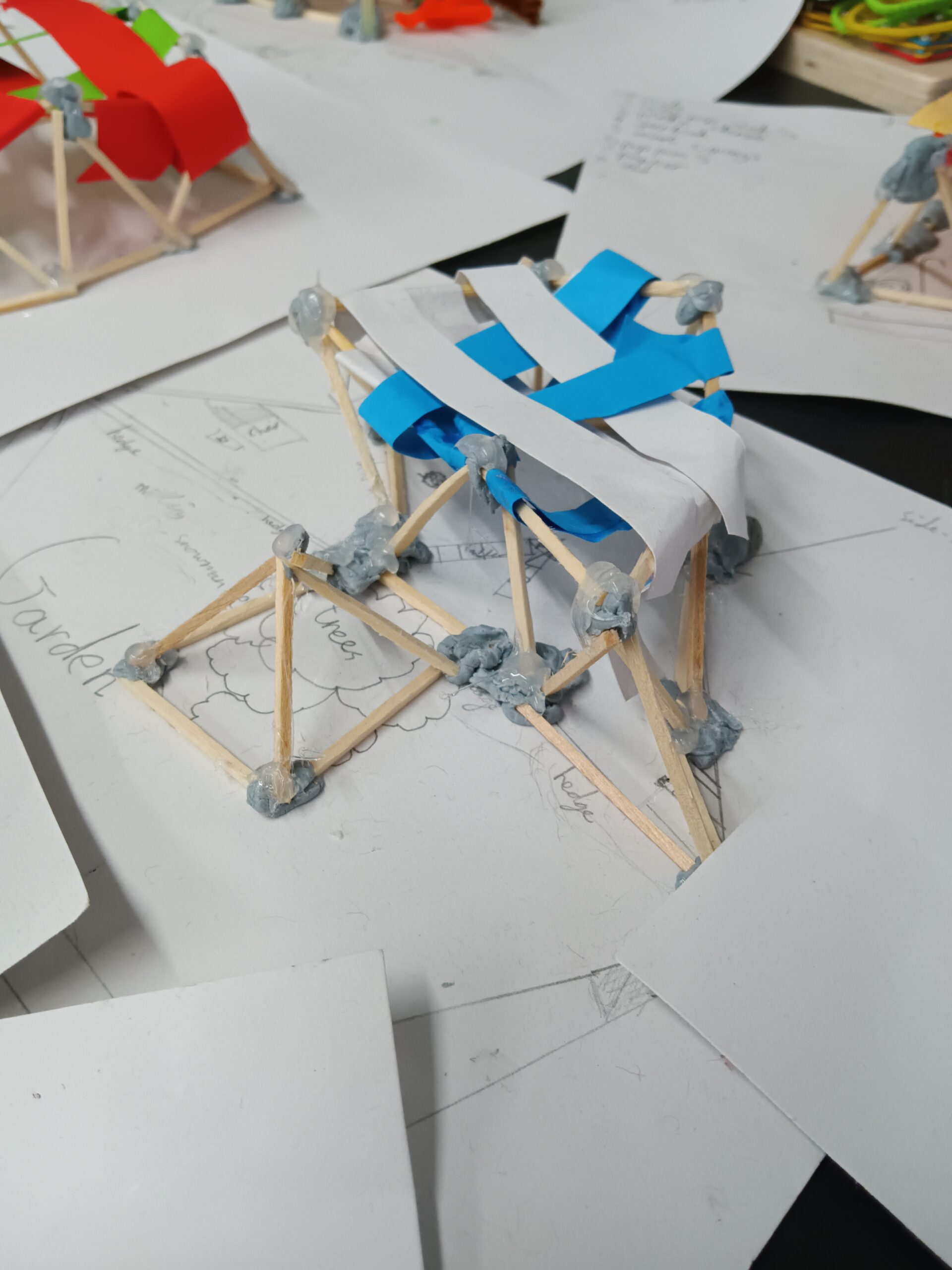
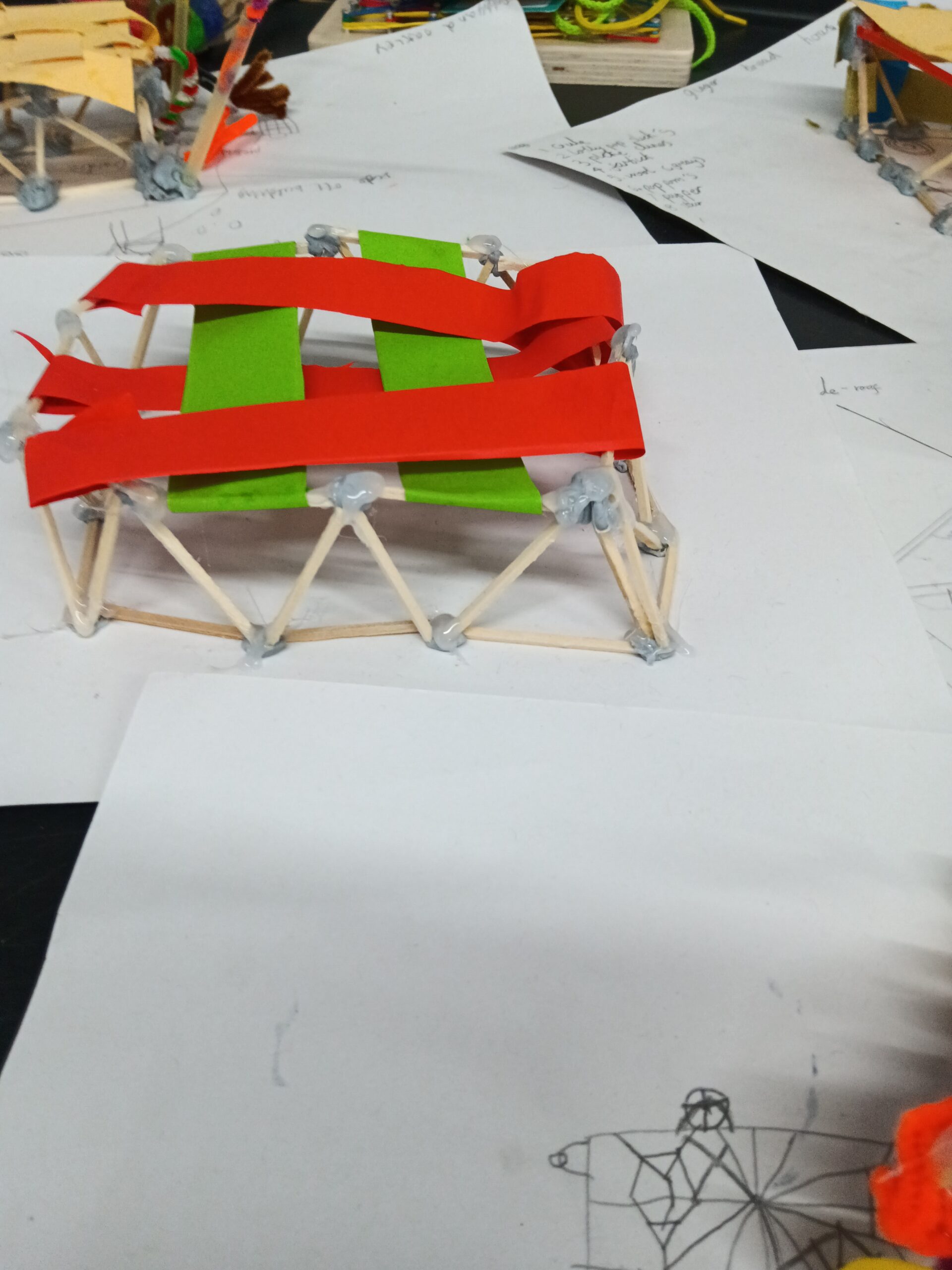
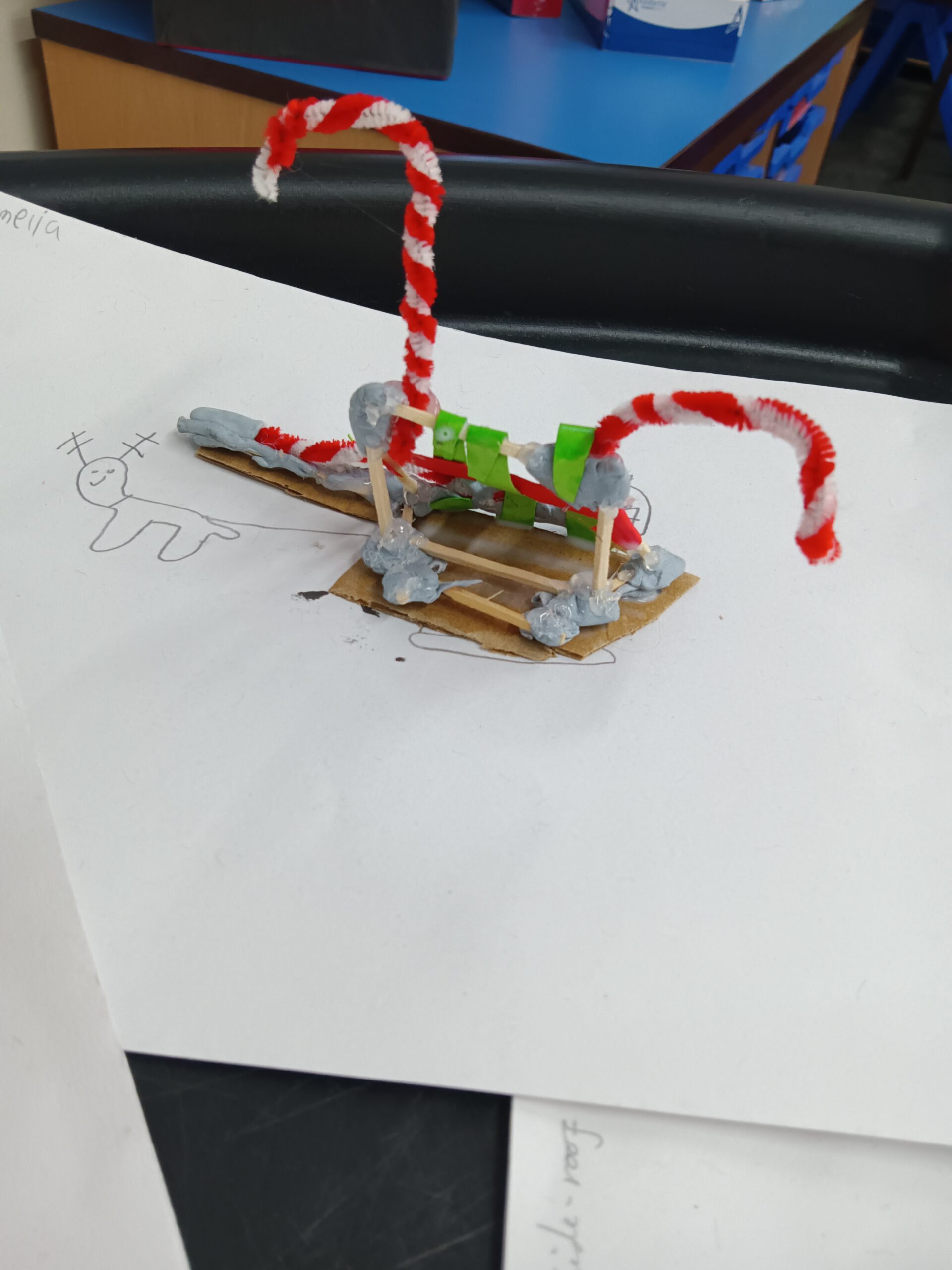
‘Year 3 and 4 have been busy designing, making and evaluating their 3D structures. As part of their Design and Technology learning, the children have been exploring how to create strong and stable structures. Using small sticks, blue-tack and glue, they carefully constructed frames and experimented with ways to reinforce and strengthen their models, identifying weak points, particularly around the joins. As their learning progressed, they made thoughtful amendments and improvements to their designs, resulting in sturdy and imaginative festive creations. Through this hands-on activity, the children developed problem-solving skills and learned the importance of strength and stability in design. Their creativity and perseverance really shone through in the impressive structures they built that also includes cladding for a shelter or roof.’